Pack Light, Roll Far: An Overnight Escape From Your Doorstep
Tonight we’re diving straight into overnight bikepacking routes starting from your front door, celebrating the magic of leaving home after work and waking up somewhere wild, rested, and grinning. Expect practical route design, smart packing, safety know-how, and real-world anecdotes that remove friction and spark action. Subscribe, comment with your favorite local cut-throughs, and share your start-from-home overnighter photos so others near you can discover simple, confidence-building adventures waiting just beyond the curb.

Planning a Doorstep Departure

A great start-from-home overnighter balances distance, daylight, surface variety, and stress-free exits from busy neighborhoods. Keep logistics simple: leave fed, roll during golden hour, find camp before full darkness, and return in time for coffee. Use bailouts, know curfews, and build a compact plan that still feels like exploration. The best routes feel surprisingly remote despite familiar surroundings, turning tiny connectors, parks, and greenways into a stitched ribbon of effortless momentum that nudges you gently to sleep under the stars.

Map a Reachable Radius

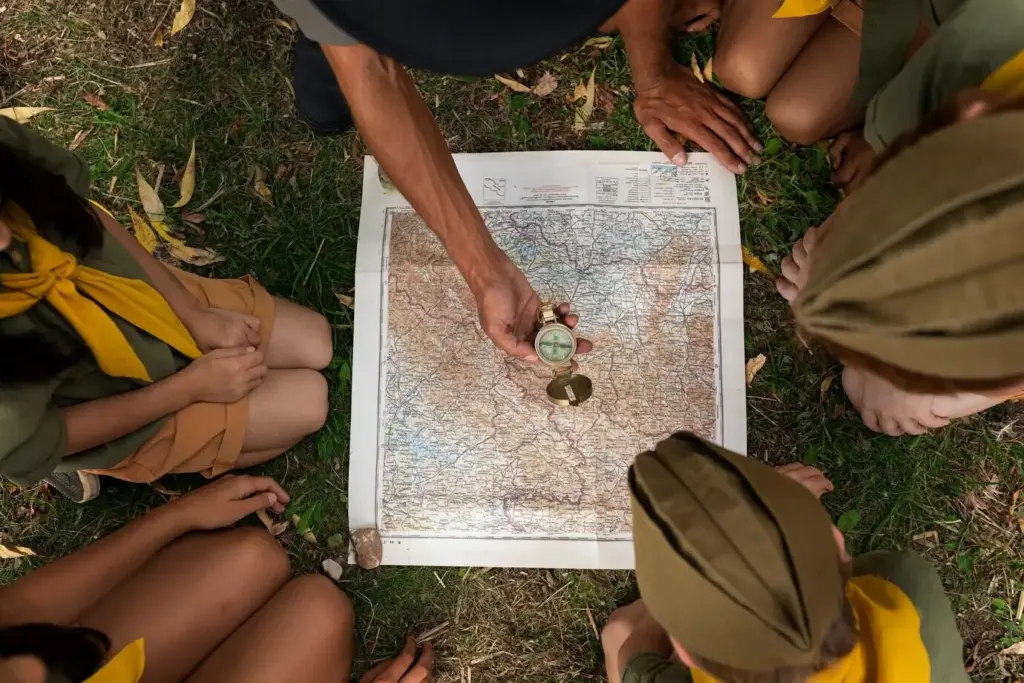
Choose a radius that fits the hours you actually have, not the hours you wish you had. A 25–45 mile evening ride can place you by lakes, woods, or quiet ridges, with a similar distance home after sunrise. Use OpenStreetMap layers, heatmaps, and local knowledge to prioritize calm roads and traffic-calmed neighborhoods. Always mark water sources, public restrooms, and transit stations, then note soft bailouts in case wind, mechanicals, or fatigue bend plans without breaking spirits.

Design for Flow, Not Speed

Avoid stoplight purgatory and frustrating detours by stringing bike lanes, canals, riverside paths, and park corridors. Let each section transition smoothly, reducing cognitive load and navigation fiddling. Include a few intentionally delightful moments: a footbridge over twinkling traffic, a gravel shortcut behind allotments, a singletrack loop through pines. Flow keeps morale high and makes lightweight gear feel lighter still. If a segment looks awkward in planning, swap it early to preserve momentum and joy.

Greenways, Cut-Throughs, and Secret Staircases

Ask locals about alley links, riverside gates, and underpass paths that skip snarled intersections. Many cities hide continuous ribbons of rideable green that never appear in glossy guides. Walk a confusing section once on foot to confirm access hours and signage. Capture these discoveries on your map as living knowledge, then share them so others can escape more gracefully. The difference between an obligatory slog and a soul-stirring glide is often a single unmarked gate tucked behind a hedge.

Gravel, Rail-Trails, and Farm Roads

A thin line of gravel can synthesize quiet, scenery, and measurable progress. Rail-trails offer steady grades and fewer decisions when daylight shrinks. Farm roads add texture, scent, and wildlife encounters that feel far from town. Mix surfaces to keep cadence shifting pleasantly, avoiding monotony without adding stress. If weather turns, default to smoother options and keep spirits high. Variety builds a memory worth revisiting and, later, retelling to riders who still think adventure requires a distant trailhead.

Loops Beat Out-and-Backs (Usually)

A loop feels like discovery from start to finish, revealing new lanes as you return. It also eases timing, because every mile points homeward differently, staving off boredom. Out-and-backs shine for learning new gravel segments, chasing a perfect campsite, or managing complex access. Choose based on daylight, wind direction, and your preferred snacks. If indecision grows, draft two loops and decide on the fly, trusting weather and mood. Flexibility turns good evenings into unforgettable ones without complicated planning.

Pack Light, Sleep Well

You need less than you think for a single night, but each item should punch above its weight. Prioritize shelter, sleep, and warmth that deploy quickly after twilight. Keep food, lights, and layers accessible for urban-to-rural transitions. Pack so setup takes minutes, not fussing. Test on a backyard shakedown: pitch, boil, repack by headlamp, and ride around the block. Confidence you earn at your doorstep becomes comfort in the field, freeing attention for stars, wind, and whispered tires.

Shelter Decisions That Match Forecasts

Bivy, tarp, or ultralight tent each shine in different conditions. A breathable bivy disappears into tiny pockets and excels on dry, bug-light nights. Tarps invite airflow and moonlit views while demanding thoughtful site selection. Tents offer bug defense, privacy, and calmer sleep when late-night footsteps pass nearby. Check wind, dew point, and tree cover, then choose deliberately. Bring a compact groundsheet to protect pads on abrasive urban edges where perfect campsites share space with curious raccoons and scattered gravel.

Warmth Without Bulk

Match insulation to the overnight low, not the weekly average. A lightweight quilt paired with a reflective pad often beats a heavier bag on short trips. Pack a beanie, thin liner gloves, and dry sleep socks for instant warmth gains. Prioritize wind protection over sheer thickness when riding after dusk. In shoulder seasons, a vapor barrier shirt can stretch the comfort range. Aim for modularity so pieces work across rides, saving both space and decision energy when you’re leaving quickly.

Comfort Touches That Earn Their Keep

Small luxuries transform a quick overnighter into a restored spirit. A compact pillow, a tiny candle lantern, or a favorite tea sachet can anchor bedtime rituals. Choose one comfort per trip to keep weight honest. Pack a microfiber cloth for morning dew, an ultralight sit pad for dinner, and a spare zip tie for field repairs. These touches improve mood, support better sleep, and build positive associations, making it easier to roll out again next week without overthinking.

One Dinner, One Breakfast, Snacks

Keep the menu focused: a quick-boil dinner, a comforting hot drink, and a no-cook breakfast that packs down tiny. Jerky, dates, nut butter packets, and gummies fill the gaps when energy dips. Consider a backup cold-soak option for late arrivals. If you pass a deli near sunset, grab something fresh to elevate camp morale. Food should require minimal cleanup so you can relax, watch the sky color, and slip into sleep with a pleasantly full, unburdened feeling.

Water Strategy Close to Civilization

Carry enough for the ride and dinner, then mark reliable refill spots: parks, cemeteries, trailheads, and public buildings with spigots. A small in-line filter or squeeze filter unlocks streams when taps are uncertain. In drier regions, cache a bottle on the outbound leg for morning. Hydration bladders reduce bottle juggling through city sections. Start topped up to avoid early stops, and finish with a celebratory refill near home. Water logistics, handled smartly, make bikes feel lighter and minds calmer.

Safety, Access, and Respect

Your doorstep overnighter succeeds when it honors people, places, and rules. Know where camping is allowed, understand seasonal closures, and ask when in doubt. Use bright lights, reflective elements, and a clear bell through shared paths. Share your route with a friend, enable tracking, and carry basic tools. Practice low-impact habits and quiet arrival. When you treat local spaces with care, you build goodwill for future riders and keep access open, turning small escapes into a sustainable tradition everyone can enjoy.

Where You Sleep Matters

Choose camp with intention. Public lands, designated bike-in sites, and established campgrounds simplify decisions and reduce stress. If dispersed options exist, arrive late, leave early, and minimize traces. In mixed-access regions, ask landowners politely and accept no graciously. Respect private property and neighbors’ rest. Mark fire restrictions and wind forecasts to avoid risky choices. Clear communication and thoughtful timing protect relationships, ensure safety, and keep the door open for repeating your route when the next clear evening arrives.

Visibility, Noise, and Neighbors

Ride with front and rear lights, daytime flash modes, and reflective side hits for intersection visibility. A soft bell and courteous calls make shared paths friendlier. Keep music low or in one ear only, and reduce clatter when passing homes late. Choose routes away from sensitive areas during night hours. Kindness reduces friction and turns chance encounters into small conversations that improve local cycling culture, reminding everyone that bikes quietly connect places, people, and possibilities with minimal fuss and maximum goodwill.

Plan B and C

Even the best microadventures benefit from contingencies. Save transit timetables, note rideshare viability, and identify a warm, lit spot where you can reassess if storms hit early. Carry tire plugs, a spare tube, and a compact multi-tool. If a campsite feels wrong, move on. Let the plan flex around mood, weather, and companions. Confidence comes from knowing your alternatives, which paradoxically makes bolder choices easier. Return home proud, not stubborn, and your desire to roll again will grow naturally.

Turn Your Commute into the Prologue

Pack during lunch, roll from work, and let the first miles shed the day’s edges. A familiar bike lane becomes chapter one when you know it points toward stars. Change one habitual turn to discover a quiet connector you’ve ignored for years. The mental shift is profound: you are not escaping life, you are weaving something joyful into it. Share how you stitched those streets together so others can start their own after-hours rides with less hesitation and more wonder.

Document Lightly, Remember Deeply

Capture moments without turning the ride into a production. A single photo at sunset, a short voice memo about wind in the poplars, and a timestamped map do the job. Later, write a few lines describing scents, textures, and tiny triumphs, like fixing a stubborn zipper by headlamp. These fragments keep motivation high and routes repeatable. Publish a short recap for your local community, inviting gentle feedback and additions. Memory becomes a guidebook that grows richer with every small journey.

Invite One More Rider

Bringing a friend multiplies safety, laughter, and learning. Share your packing list, emphasize quiet camp practices, and choose a pace that feels inclusive. When someone new discovers a peaceful campsite an hour from their apartment, they often plan the next outing before finishing breakfast. Encourage them to tweak the route and teach you something in return. Community thrives on reciprocity, cheerful debriefs, and shared pastries at sunrise. Extend the invitation widely and watch your local microadventure network bloom naturally.

Fepumupavimekeri
Privacy Overview

This website uses cookies so that we can provide you with the best user experience possible. Cookie information is stored in your browser and performs functions such as recognising you when you return to our website and helping our team to understand which sections of the website you find most interesting and useful.